

The Importance Of First Aid Training In The Workplace
The UK might have one of the best workplace health and safety records in the world, but that doesn’t mean it is accident-free. According to the Health and Safety Executive, 142 workers die at work every year, and more than 581,000 sustain an injury. The total cost of lost annual working days (28.2million to be exact) to businesses and the broader economy is an estimated £15 billion. There is, therefore, tremendous importance for workplaces to train their employees in first aid.
5 reasons why first aid training is important in the workplace:
- Prevents death
- It gives employees confidence in the workplace
- Prevents brand reputation damage
- It can reduce recovery time
- It can be a fun team building activity
1. Prevent Death
First and foremost, first aid can save lives in the workplace.
There are numerous incidents that can threaten the life of your colleagues, such as heart attacks, choking, falls, burns, allergic reactions and poisonings to name a few.
Data from the Red Cross suggests that around 59 percent of deaths from injury could have been prevented if first aid was given before the emergency medical services arrived. The right first aid training is therefore crucial for reducing the risk of death in the workplace.
2. It Gives Employees Confidence In The Workplace
Having competent first aiders in your organisation instils confidence that you have everyone’s best interests at heart, and are a competent employer. Employees want their place of work to take care of them, but if they feel that their health is at risk, they will fear injury, have a poor relationship with management, and have higher rates of absenteeism.
First aid training can therefore be seen as a key public relations tool that helps workers feel a sense of confidence in the workplace.
3. Prevents Brand Reputation Damage
Companies that take care of their workers and put in place solid health and safety systems are more likely to be viewed favourably by both employees and the general public.
First aid training also reduces the chance of a Health And Safety Executive (HSE) investigation. Under Reporting of Injuries, Disease and Dangerous Occurrences Regulations (RIDDOR), the HSE will send agents to investigate serious employee injuries and deaths on your premises. Their aim is to find out whether your firm broke any of the regulations pertaining to workplace safety. If it did, then you can be liable for fines and even imprisonment.
First aid training is therefore a vital tool you can use both in your defence and to mitigate injury if and when it occurs.
4. It Can Reduce Recovery Time
First aid not only prevents death, but prompt treatment also reduces patient recovery time. This means less time out of the business and a quicker return to work, with less impact on the business.
5. It Can Be A Fun Team Building Activity
First aid training gives colleagues the opportunity to learn an important life skill together in a group environment outside of work. Teams report more awareness of their co-workers’ well-being once they have completed first aid training, making them look out for each other and ultimately bring them closer together.
What Legal Requirements Do Employers Have?
According to the Health and Safety Executive, the Health and Safety (First-Aid) Regulations 1981 require employers to provide adequate and appropriate equipment, facilities and personnel to ensure your employees receive immediate attention if they are injured or taken ill at work. These Regulations apply to all workplaces including those with less than five employees and to the self-employed.
The responsibility, however, is very much down to the individual employer. Many of the conditions in the Act are guidelines only, meaning that companies have leeway to abide by the spirit of the law. A relaxed approach, though, may put operations at risk, as mentioned above.
The Health and Safety (First Aid) Regulations (1981) also states that employers must provide a level of first aid that corresponds with their situation or circumstance i.e. building sites need more comprehensive first aid facilities than offices. Currently, “high-hazard” workplaces must have one appointed first aid qualified member of staff for every 50 workers. The figure rises to 100 people in “low-hazard” workplaces.
If your workplace is lacking first aid knowledge and training, check your local area for First Aid training courses. Also ensure that your First Aid kit is fully stocked and prepared for anything so you can make a real-life impact for those in need.
First Aid Equipment
At MorSafe, we stock a wide range of first aid equipment and first aid training products for your business. Take a look:
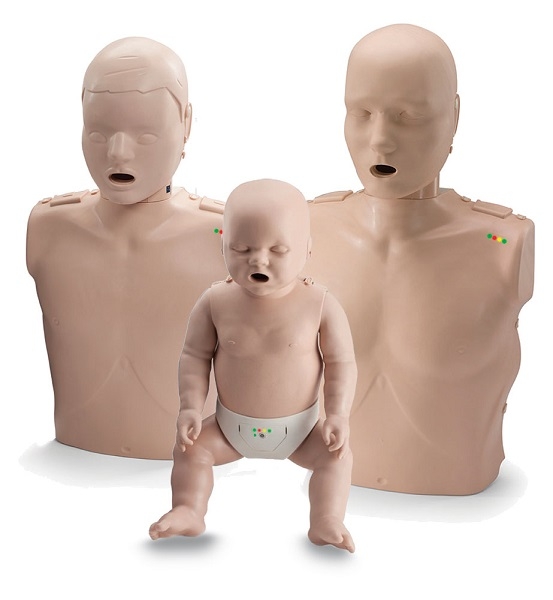
Prestan Resuscitation Manikins with Inbuilt CPR Monitor
Realistic to the eye and touch, the Prestan Manikin is unlike any other first aid manikin on the market. Each student gains a realistic experience that provides for the best real life CPR outcomes. Easy-to-insert face shield lung bag speeds setup of the manikin. Face shield is secured so it won’t slip and there’s no need for adhesives.
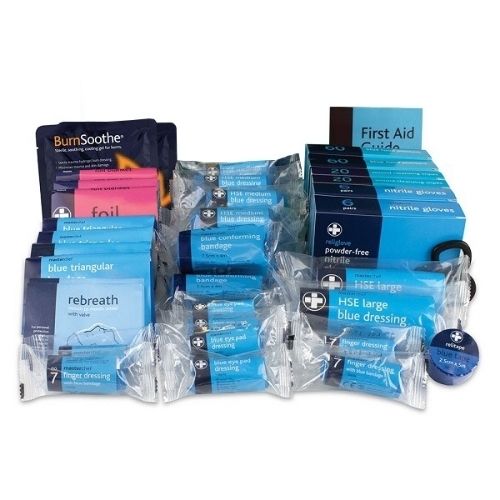
Blue British Standard Compliant BS-8599-1 Catering First Aid Refill Kit Large
All items included in this refill kit are blue HSE approved contents, making it an ideal Kit for Food Manufacturing Areas. With these Blue British Standard Catering Kits in your workplace, there is no better way to demonstrate to the authorities that you are taking your responsibilities seriously.
Sports First Aid Kit in Green Emergency Response First Aid Bag
This Sports First Aid Kit is fully loaded with 88 pieces of high value content and specifically designed with first aid content that provides all the necessary requirements to treat typical sporting injuries. A very popular first aid kit for sporting activities.

Learn what to put in a basic first aid kit here and do not hesitate to get in touch if you need help in buying the right first aid equipment for your workplace. Browse our full range of first aid equipment and related products on our website.
Written by Kate, for Morsafe Supplies.



Leave a Reply