
Pallet Truck Usage & Safety: A Comprehensive Guide
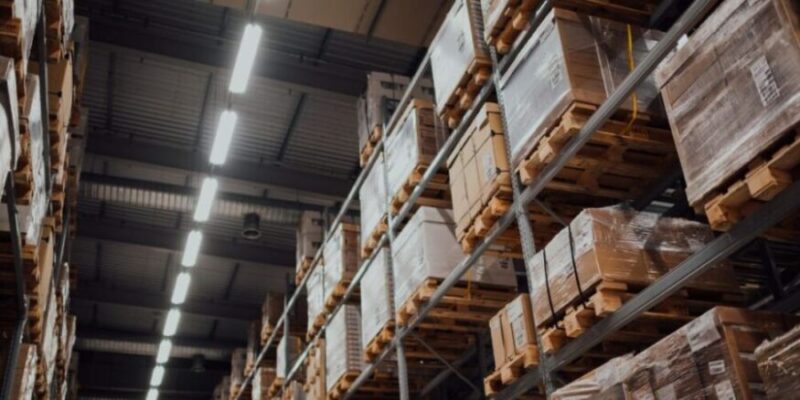
Pallet tracks are typically used to transport goods within a warehouse environment. They are designed to remove the necessity for workers to carry heavy loads of goods and make the transportation process quicker. The pallet truck was designed to help minimise injury and have evolved to be an essential in every warehouse.
Warehouses often own multiple pallets trucks and use them to,
- Remove Pallets From Trucks
- Transport Heavy Good Around A Warehouse
- Minimise Injuries
1. Remove Pallets From Trucks
One of the key uses of a pallet truck is for the removal of pallets from trucks. When goods arrive on trucks for warehouses, they are transported via pallets. The pallets are then attached to the pallet trucks and lowered to the ground. The pallet trucks are also helpful when moving between warehouses and can be used to reload trucks too.
The pallet trucks are specifically designed to accommodate pallets and so they can be easily slotted on and manoeuvred off of trucks and into a warehouse. This enables a swift process that is easier for workers as no heavy lifting is needed.
2. Transport Heavy Goods Around A Warehouse
Pallet trucks can make the transportation of heavy goods an awful lot easier for workers. If your goods are required at the other end of the warehouse, the pallet trucks make it simpler. This is due to a pallet truck having lifting, steering and driving capabilities. If your boss calls upon you to bring heavy slats of wood from one end of the warehouse to the other, it’s time to whip out the pallet truck because you will have completed the task in no time.
3. Minimise Injuries
Pallet trucks can ultimately help to reduce workplace injuries. This is because it reduces instances where workers have to carry heavy goods by themselves and can instead rely on machinery.
Reports have shown that manual handling injuries can include repetitive strain injuries and pain to arms, legs and joints. It has also been reported that 36% of missed work days due to injury are due to shoulder and back injuries. These manual handling injuries can be significantly reduced with the support of a pallet truck. As the pallet truck conducts the heavy lifting, the only injury related worry should come down to the manoeuvring of items from high shelfs to ground level.
How-To Guide: Operating a Pallet Truck Safely
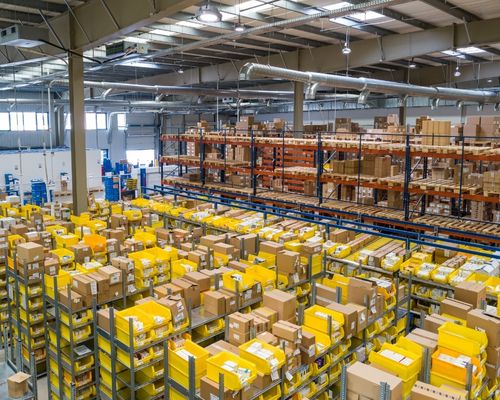
Knowing how to use a pallet truck correctly is essential for safe and efficient material handling. Whether you are operating a manual pallet truck or a pump truck, following the proper steps reduces the risk of strain, product damage and workplace accidents. Below is a clear, step-by-step guide suitable for warehouses, retail, manufacturing and logistics environments.
Step-by-Step Instructions
- Inspect the pallet truck before use. Check the wheels, forks, hydraulic pump and handle for any signs of wear or damage.
- Position the forks under the pallet. Slide the forks fully underneath the pallet, making sure they are centred and not catching on any boards.
- Engage the pump handle. Pump the handle up and down until the pallet rises approximately 1–2 cm off the ground. This height is enough for safe movement.
- Push the pallet truck forward. Always push rather than pull. Pushing provides better visibility and reduces the risk of back and shoulder injuries.
- Move at a controlled speed. Maintain a steady walking pace and avoid sharp turns, slopes or obstacles.
- Lower the pallet safely. Once in position, squeeze the release lever on the handle slowly to lower the pallet smoothly onto the floor.
- Withdraw the forks completely. Pull the pallet truck straight back until the forks clear the pallet fully.
Safety Precautions
- Never exceed the pallet truck’s maximum load capacity.
- Wear suitable PPE such as safety shoes and gloves.
- Avoid pulling heavy loads—pushing is safer and more stable.
- Ensure the driving path is clear of debris, spills or uneven surfaces.
- Do not operate on steep slopes or ramps without proper training.
- Keep hands clear of pinch points and moving parts.
Tips for Efficient Use
- Store pallets neatly so the forks enter smoothly.
- Use shorter travel distances when possible to reduce strain.
- Plan your route before lifting the load.
- Keep the pallet as low as possible while moving for better stability.
How to Use a Pallet Truck Safely
Using a pallet truck safely is incredibly important as improper use can result in injury. To use a pallet truck safely you will need a variety of personal protection equipment, such as steel toe boots, to protect yourself from potential items falling from the truck. Make sure to provide adequate signage alerting workers on how to properly equip themselves, as well as on how to manually handle items in order to avoid injury.
To use a pallet truck safely:
- Wear Steel Toe Boots
- Triple Checking that the Pallets are Strapped Correctly
- Avoid Ramps
- Do Not Push the Truck
- Inspect for Any Damage
1. Wearing Steel Toe Boots
Proper footwear should be worn when using a pallet truck. If any item happens to not be fully secured onto the truck, it can fall off and may result in injury, the boots should add an extra layer of safety in this instance.
2. Triple Checking that the Pallets are Strapped Correctly
Making sure all of the pallets are safely secured onto the pallet truck is of utmost importance. If any were to fall, this may result in injury, at the very least it will result in more work for you to have to rectify.
3. Avoid Ramps
Ramps make the transportation process incredibly difficult for pallet trucks, especially when they have goods on. It is best to plan a route around the warehouse to avoid all ramps and holes for your ease.
4. Do Not Push the Truck
Pushing the truck may result in injuries to yourself, as well as damage to the pallet truck. This is due to the fact that they are designed to be pulled.
5. Inspect for Any Damages
Prior to attaching any pallets to the truck, make sure to check over the device to ensure that the wheels and base are all in working order. If damaged, do not use it as the device may break and drop the heavy produce. This could injure you or break the heavy good.
Which Pallet Truck is the Best?
Choosing the right pallet truck is essential to make sure its the right fit for your warehouse. Our selection of pallet trucks are the best option for every need you may encounter in the warehouse.
The best pallet trucks are:
- Long Reach Pallet Truck
- High Lift Pallet Truck
- Semi Electric Pallet Truck
- Pallet Truck with Brake
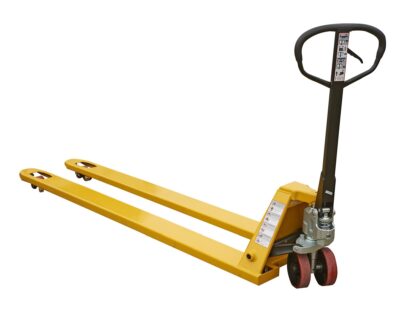
1. Long Reach Pallet Truck
This pallet is perfect for all warehouses where there are tricky spots or where large quantities of pallets need transporting. The long reach will allow you to fill the pallet truck more, allowing you to manoeuvre items around the warehouse quicker.
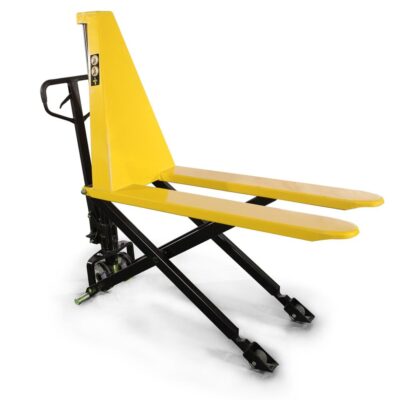
2. High Lift Pallet Truck
This pallet is ideal for heavy loads of pallets. The extra assistance of the high lift allows the pallets to be transported onto trucks quicker and safer. It can also be used to collect items from higher shelves, all whilst preventing manual handling injuries.
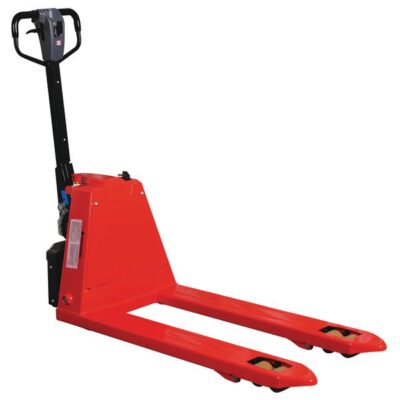
3. Semi Electric Pallet Truck
The electric elements of this pallet allow for a quicker, safer usage. This device will get you transporting items from one end of the warehouse to the other in no time at all.
4. Pallet Truck with Brake
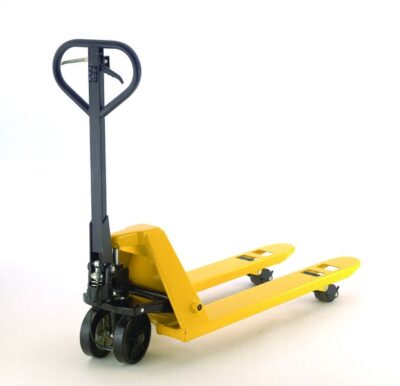
For those beginning in warehouse businesses, a simple pallet truck with brake system will be a great addition. The functions are easy to understand and has all the benefits you need in your transportation device.
To conclude, pallet trucks are used within warehouses to transport goods to and from different locations. This makes the transportation process more efficient and easier for the workers.
For more information about what health and safety equipment should be used in the workplace and how to stay safe while at work, visit our MorSafe shop, or contact us at 01686 611 377 or sales@morsafesupplies.com
Written by Luthien, for Morsafe Supplies.
Shop Pallet Trucks
Looking for reliable pallet trucks for your warehouse, shop or logistics operation? Explore our range designed for heavy-duty, everyday use:


Leave a Reply