

How Ice Melt Works
In short- ice melt works by lowering the freezing point of water. Ice melting compounds attract moisture to themselves to form a liquid brine, which generates heat and melts the ice. Once on the pavement, the brine solution spreads out on the ice and breaks the ice bonds with the pavement. This can make the ice loosen and easy to shovel.
When To Use Ice Melt
When used correctly, ice melt is a powerful tool to help keep dangerous ice from forming on surfaces. It is also widely used to melt ice that has already formed.
It is especially important to use ice melt and other winter safety products around workplace surfaces such as car parks, building entrances/exits and footpaths, to keep employees and visitors safe and slip-free while on the premises.
The Science Behind Ice Melt Compounds
Ice melt products work by lowering the freezing point of water, a process known as “freezing point depression”. When ice melt granules contact snow or ice, they dissolve into a brine solution. This brine penetrates the surface layer of ice, breaking the bond between the ice and the ground and making it easier to remove.
Different ice melt compounds have different chemical behaviours, melting temperatures and environmental impacts. Understanding these differences helps you choose the safest and most effective product for your workplace, home or commercial site.
Use Ice Melt Prior, During And After Snow Fall
The best way to prepare for dangerous icy conditions is to put down ice melt prior to snow fall. Having a layer of ice melt already in place will limit the amount of snow and ice accumulation. As mentioned above, when snow starts falling, the ice melt will create a brine solution, helping to prevent ice from bonding to the surface.
Top tip: continue to disperse ice melt during a snow fall to prevent snow from becoming hard-packed on surfaces.
Once snow has fallen, if necessary, spread another layer of ice melt onto the surface so you can easily shovel the settled snow/ice away.
Things To Remember When Using Ice Melt
- Don’t over apply the ice melt; follow the instructions on the label.
- Make sure the container is sealed tight and stored in a cool, dry place. Exposed ice melt will absorb the moisture from air, causing the product to harden, clump and degrade.
- To avoid irritating your skin, make sure you wear a set of gloves when applying the ice melt.
- If possible, do not use ice melt on concrete less than two years old. Freeze-thaw damage may occur.
Our Top Ice Melt Products
Rapid Liquid Ice Melt
The 10 litre rapid liquid ice melt quickly melts snow and ice and prevents it from reforming. Some of its other benefits include:
- Melting 10mm of ice within 25 seconds!
- Typically de-ice down to -12.5°C and prevent re-freezing down to -18°C.
- Prevent re-freezing for up to 48 hours

Sodium Chloride (Rock Salt)
Sodium chloride is the most widely used de-icer. It is effective down to approximately -6°C and is suitable for general winter maintenance. Although cost-effective, it can be corrosive to metal and may affect vegetation if over-applied.
Calcium Chloride
Calcium chloride is highly effective in extremely low temperatures, working down to -25°C. It generates heat as it dissolves, making it fast-acting even in severe conditions. It is one of the strongest options available but may be more expensive than rock salt.
Magnesium Chloride
Magnesium chloride works effectively to around -15°C and is less corrosive than rock salt. It is often chosen for environmentally sensitive areas or surfaces where corrosion is a concern.
Urea-Based Ice Melt
Urea formulas are commonly used around pets, plants and delicate surfaces. They are less corrosive than chloride-based melts but have a higher effective temperature, usually above -4°C. They are suitable for lighter winter conditions.
Blended Ice Melts
Many commercial products use a blend of chloride compounds to balance performance, cost and environmental impact. Blends improve performance across a wider range of temperatures and surface conditions.
| Ice Melt Type | Effective To | Speed of Action | Environmental Impact | Best For |
|---|---|---|---|---|
| Sodium Chloride (Rock Salt) | -6°C | Moderate | Higher vegetation & metal corrosion risk | General winter use, paths, car parks |
| Calcium Chloride | -25°C | Very fast (exothermic reaction) | Moderate corrosion potential | Extreme cold & high-traffic areas |
| Magnesium Chloride | -15°C | Fast | Lower environmental impact | Sensitive surfaces, minimising corrosion |
| Urea-Based Ice Melt | -4°C | Slow | Low impact, pet-safe | Pets, plants, delicate surfaces |
| Blended Ice Melts | Varies | Fast to very fast | Balanced | Commercial & industrial use |
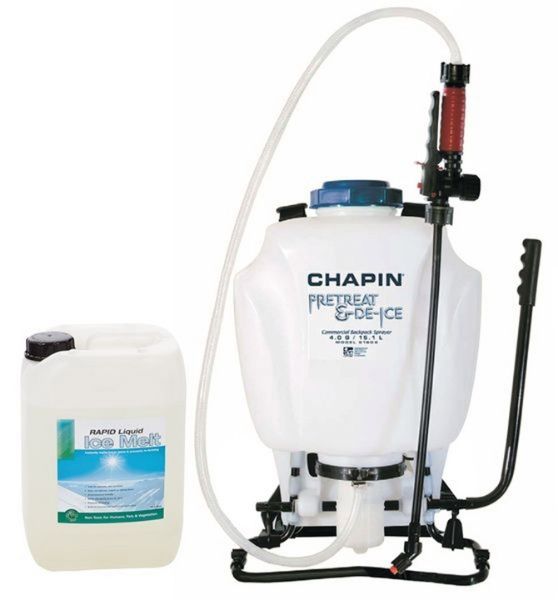
Liquid Ice Melt & Knapsack Sprayer Kit
The liquid ice melt & knapsack sprayer kit is one of our best sellers and plays an essential role in many winter safety programs.
For more winter safety tips from our experts, check out our blog page or get in touch with any questions you may have about winter safety at your workplace.
–
Written by Kate, for Morsafe Supplies.


Leave a Reply