

What is a Spirometer Used For?
To put it simply, a spirometer is used to diagnose and monitor lung conditions that affect breathing, such as chronic obstructive pulmonary disease (COPD), asthma, pulmonary fibrosis and cystic fibrosis.
If you have symptoms of a lung condition, spirometry can be used to help diagnose it, or if you’re at an increased risk of developing a particular lung condition. For example, if you have a persistent cough or if you’re a smoker over the age of 35.
If you’ve already been diagnosed with a chronic lung condition, a spirometer is used to check how well your medications are working and whether your breathing problems are well controlled. Spirometry may also be required before a surgery to ensure your lung function is adequate for the rigours of an operation.
How Do Spirometers Work?
As mentioned, a spirometer is a medical device used to measure lung function, specifically the amount and rate of air a person can inhale and exhale. It generally consists of a mouthpiece or face mask that the patient breathes into, connected to a device that measures and records the volume of air breathed in and out over time. Some spirometers also measure the flow rate of the breath, which helps to identify breathing problems such as asthma or COPD.
How To Use a Spirometer
Using a spirometer is super easy. The test begins by placing a soft clip on the patient’s nose to stop air from escaping. The patient will then take a big deep breath so the lungs are completely filled with air. They will then need to close their lips tightly around the mouthpiece and exhale as quickly and forcefully as they can, making sure their lungs are completely emptied. This test is usually repeated at least 3 times to ensure a reliable result.
Please note: It is important to follow the instructions provided by the manufacturer or your healthcare provider. Also make sure to properly clean and disinfect the spirometer before and after each use to avoid cross contamination.
How to Clean a Spirometer
It is absolutely essential that spirometers are kept clean between each use to ensure accurate results, and prevent the harbour of harmful bacteria, viruses, and other microorganisms on the equipment.
To properly clean a spirometer, you will want to follow these steps:
- Firstly, turn off the spirometer and unplug it from any power source.
- Remove the mouthpiece or face mask and disassemble it, if possible.
- Now it’s time to clean all parts of the spirometer, including the mouthpiece or face mask, with a mild detergent and warm water.
- Rinse all parts thoroughly with clean water and dry them with a clean towel or cloth.
- Sanitise the spirometer by wiping it down with a disinfectant solution or alcohol wipes, according to the manufacturer’s instructions.
- Finally, reassemble the spirometer and test its function before using it again.
Please note: it is important to follow the manufacturer’s instructions for cleaning and maintaining the device, as different spirometers may have different requirements.
Spirometer Medical Equipment at Morsafe
Vitalograph Alpha Spirometer
With no PC required, the Vitalograph Alpha Spirometer is the spirometer of choice for respiratory care professionals around the world due to its simplicity, portability, integral printer and long term reliability.
Other key benefits include:
- Optimal hygiene via bacterial/viral filter (BVF™) barriers
- Built-in interpretation of measurement results
- Vitalograph reports software with the ability to create editable PDFs
- Latest GLI spirometry predicted equations and Z-scores
- Accurate Fleisch pneumotachograph

Carefusion MicroLab One-Way Disposable Mouthpieces
These one way valve mouthpieces are an inexpensive alternative to the bacterial viral filter for expiratory only testing, fitting most pulmonary function test equipment, including peak flow meters. This simple, yet effective design prevents concerns of accidental inhalation of pathogens and protects the subject from cross-infection.
More key features include:
- The one-way valve prevents inhalation respiratory manoeuvre
- Low cost, low resistance mouthpiece allows entry of expired air into the measuring system
- Suitable for expiratory manoeuvres with peak flow meters and spirometers
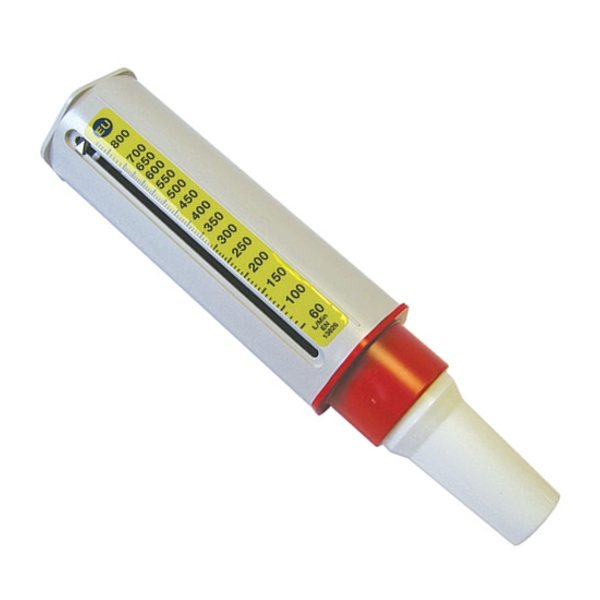
Peak Flow Meter – Clement Clarke Mini Wright Standard Range
This mini wright standard peak flow meter allows patients to monitor their asthma by measuring how fast a patient can blow out. When a patient is well their PEF is higher, when the airways are narrow (as in asthma) PEF is lower.
Other benefits include:
- Scale ranges from 60-800 l/min.
- Scale available in three colours for easy readings.
- Hand calibrated for absolute accuracy.
- Easy to clean, lightweight and portable.
- Supplied complete with instructions for use, patient self-monitoring chart and mouthpiece.
For more information on medical diagnostic equipment such as spirometers , finger pulse oximeters and other diagnostic equipment, please don’t hesitate to get in touch with our friendly, expert team on 01686 611 377, today.
Written by Kate, for MorSafe Supplies.


Leave a Reply