

Is It The Employer’s Responsibility To Provide PPE?
The simple answer is yes – employers are legally required to provide personal protective equipment (PPE) if their employee’s work in an environment where there may be a risk to their health and safety.
The type of equipment required will depend on a range of factors, including the the hazards involved and the working environment. It’s best practice to carry out a thorough risk assessment to identify what kind of equipment employees need, in order to stay safe.
PPE Legislation
Some workplaces can be dangerous, with thousands of employees being injured or even losing their lives each year. Legislation such as the 1974 Health and Safety at Work Act and the 1992 Personal Protective Equipment Regulations (updated in 2002) have enshrined in law the employer’s responsibility to care for their staff’s safety.
Employers Responsibilities
The PPE at Work Regulations 1992 aims to protect the health and safety of workers across the UK by ensuring employers provide protective equipment, that staff are trained on how to use it, and that equipment is maintained, repaired and replaced when necessary.
Regulation 4 of the 1992 act states:
‘Every employer shall ensure that suitable personal protective equipment is provided to his employees who may be exposed to a risk to their health or safety while at work except where and to the extent that such risk has been adequately controlled by other means which are equally or more effective.’
As outlined in The Health and Safety at Work Act 1974, an employer must supply PPE free of charge and should not ask employees to contribute to or be charged for PPE provision and its maintenance.
The PPE at Work Regulations 1992 doesn’t apply when requirements are detailed in other regulations. For example, The Control of Substances Hazardous to Health Regulations 2002, which covers respirators, their provision, and maintenance. Different regulations usually exist for specific hazards and the handling of hazardous substances. There may also be alternative regulations for the handling of noise, ionising radiation, and asbestos.
Employees Responsibilities
It is the employers duty to provide PPE, but employees must also take reasonable steps to ensure their PPE fits, is taken care of, is used correctly and returned safely after use.
Why PPE Is So Important In The Workplace
During the last couple of years, the use of PPE, especially face masks, has increased dramatically due to the COVID-19 pandemic. But the importance of PPE has long been revered across many industries, including healthcare and construction.
This is because PPE has an essential role in protecting the body, hands, eyes, lungs, and face from dangers such as corrosive chemicals and extreme cold or heat.
PPE Reduces The Risk Of Infection
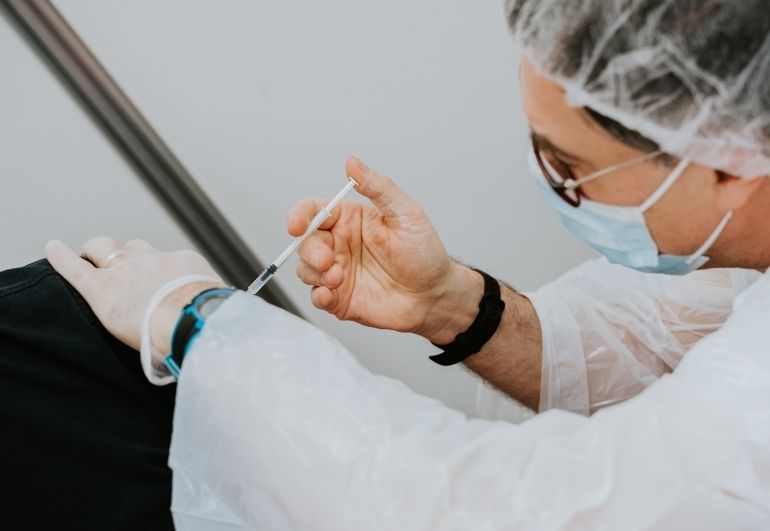
PPE is a fantastic tool for reducing the risk of infection, not only during COVID-19 but in our everyday lives too, particularly in the healthcare industry.
PPE Provides Protection Against Hazards
PPE can alleviate the effects of hazards which are either likely to occur or cannot be avoided. For example, if you’re a keen woodworker you should invest in a pair of safety glasses to prevent damage caused by flying splints which cannot be controlled.
PPE Promotes Good Hygiene
No one wants the unfortunate discovery of a hair in their meal when eating at a restaurant, but with the correct PPE, this unsettling mishap is prevented.
Restaurants and food manufacturers benefit from a vast array of PPE to ensure high levels of food-hygiene are maintained. These include:

For your business to grow and be successful, you must look after your staff, and this includes providing them with the best PPE available. Here at Morsafe Supplies, we stock everything you need to keep your workers protected, from head protection to gloves and everything in between, so you can ensure you fulfil your obligations both to your workers and to the legislation.
For more information on personal protective wear, don’t hesitate to get in touch with our friendly, expert team on 01686 611 377, today.
Written by Kate, for MorSafe Supplies.








Leave a Reply