

How To Use A Defibrillator
A defibrillator is a device that gives a high energy electric shock to the heart of someone who is in cardiac arrest. This high energy shock is called defibrillation, and it’s an essential part in trying to save the life of someone who’s in cardiac arrest.
If you are around when someone has sudden cardiac arrest, knowing how to correctly use an automated external defibrillator (AED) will massively increase their chances of survival before an ambulance arrives. Find out how to use a defibrillator by following these 6 simple steps.
How To Use A Defibrillator: 6 Easy Steps
- Make sure the patient is dry
- Turn on and attach pads to chest
- Let the AED analyse
- If necessary, shock the patient
- If no shock is needed, continue with CPR
- Continue Compressions
1. Make Sure The Patient Is Dry
Before you turn on the AED, make sure the patient is completely dry. This is very important due to the fact that water conducts electricity, therefore if the patient is wet or if there is water nearby, they can be seriously injured.
In addition, if there are any combustible materials nearby, such as fuel or solvents, move away from the source of the materials before using the device.
2. Turn On AED And Attach Pads To Chest
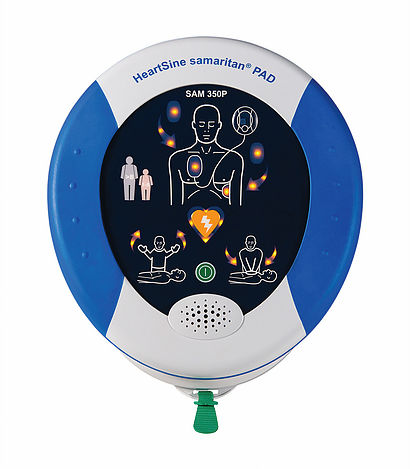
Turn on the defibrillator by pressing the green button.
Next, peel off the sticky pads and attach them to the patients skin.
The first pad should be on the upper right side below the collar bone. The other pad should be on the casualty’s left side below the armpit.
Ensure there is no fabric between the pads and their skin as any obstruction will make the AED malfunction.
3. Let The AED Analyse
Leave the AED and let it analyse the patient’s heart rhythm. The defibrillator will now begin to assess whether a shock is needed. It will then give a series of visual and verbal prompts that should be followed.
4. If Necessary, Shock The Patient
If the defibrillator tells you that a shock is needed, make sure everyone stands away from the patient. The defibrillator will tell you when to press the shock button.
If you are using an automatic defibrillator, it will shock the patient without prompt.
After the shock has been given, the defibrillator will tell you to continue CPR for two minutes before it re-analyses. Find out how to perform CPR here.
5. If No Shock Is Needed, Continue CPR
If the defibrillator tells you that no shock is needed, you will need to continue performing CPR on the patient until the defibrillator re-analyses.
6. Continue Compressions
Continue with chest impressions until the defibrillator tells you to stop so it can analyse the heartbeat again, or when the patient shows signs of becoming responsive.
If the patient shows signs of responsiveness such as opening their eyes, coughing, speaking, or starting to breathe normally, put them in the recovery position.
Whilst waiting for the emergency services to arrive, keep the defibrillator attached, monitor their level of response and prepare to give CPR again if necessary.

Defibrillators And The Law
There is no specific legal requirement for employers to provide defibrillators in the workplace, however the Health and Safety Executive strongly recommends that employers take into account employees and others on their premises when making their assessment of first aid needs.
Here at Morsafe, we stock an extensive range of defibrillators and first aid equipment for your workplace. To find out more, visit our website or contact us at 01686 611 377.
For more information on how to use a defibrillator, check out this video demonstration by St John Ambulance:
Written by Kate Jones, for Morsafe Supplies.









Leave a Reply