

How To Properly Use A Fire Extinguisher
Although having a fire extinguisher in the workplace is crucial, it is equally important for all staff to have full understanding of how to use one. If not used correctly, it may be ineffective in extinguishing a fire and result in devastating damage to a property and, worst case scenario, can cause injury and death.
It is also important to be aware of the different types of fire extinguishers available to suit the different types of fire you may be faced with.
This blog will teach you everything you need to know in the unfortunate event you are faced with a fire in the workplace.
How To Use A Fire Extinguisher:
The acronym PASS is used to describe the four basic steps.
- Pull
- Aim
- Squeeze
- Sweep
1. Pull
Firstly, break the seal by pulling the pin at the top of the extinguisher. This will make the extinguisher ready for use. Immediately test the extinguisher (aim away from the operator) to ensure it works and allows you to see how far the steam travels.
2. Aim
Stand at a safe distance from the fire and aim the nozzle at the base of the fire.
3. Squeeze
Squeeze the handle to discharge the extinguisher at the fire. To stop the discharge, release the handle.
4. Sweep
Sweep from side to side, keeping the extinguisher pointed at the base of the fire until it has gone out. You may need to repeat steps 2-4 if the fire reignites.
Basic Tips For Using A Fire Extinguisher
While this step-by-step guide is incredibly helpful for using a fire extinguisher correctly, here are some additional basic tips you should know before attempting to extinguish a fire.
- For safety reasons, it is best for people to work in pairs when attempting to put out a fire.
- Ensure everyone in the workplace knows the exact location of all extinguishers and how to use them. Fire fighting equipment signs should be used around the workplace to help point out where fire fighting equipment is stored.
- Only ever operate the extinguisher if it feels safe to do so. If not, leave the scene and immediately call 999 for help.
- Businesses should have a pre-established evacuation plan that all staff are aware of. Fire point signs can be used in the workplace to help navigate staff and visitors to a designated safe area in the event of a fire.
- Always use a sweeping motion when attempting to put out the fire. Once the fire appears to be out, make sure you look for smouldering areas that may need to be sprayed again.
What Types Of Fire Extinguishers Are There?
It is crucial that the correct extinguisher is placed in the right area since they are meant to combat different types of fires.
Water
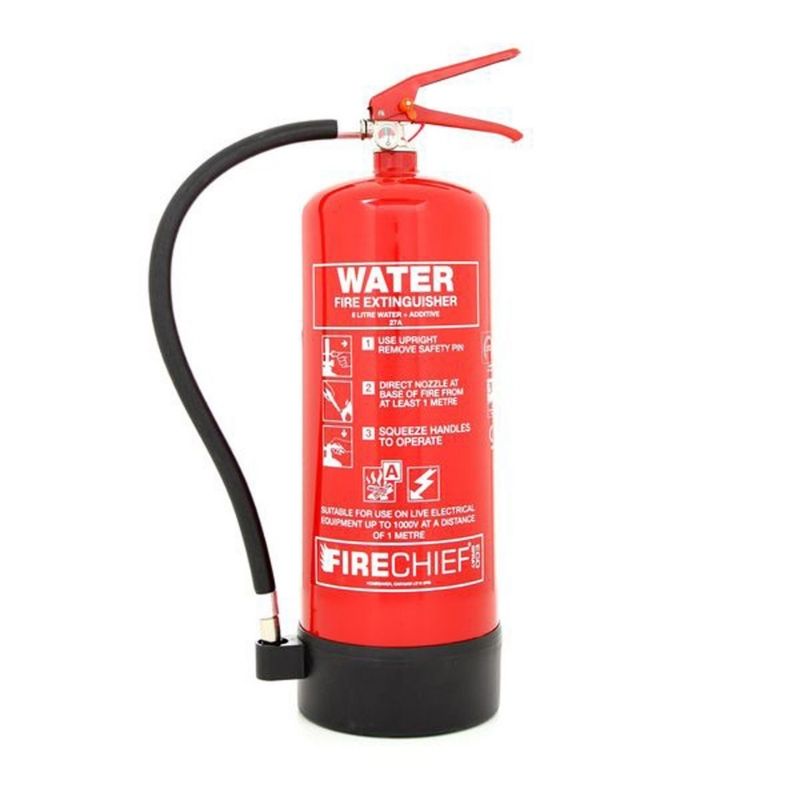
Water fire extinguishers have a class A rating and are suitable for fighting fires involving solid combustible materials such as paper, wood and textiles.
View our water extinguishers here.
AFFF Foam

AFFF foam fire extinguishers are effective on class A and class B fires and can be used on electrical appliances.
View our AFFF foam extinguishers here.
Carbon Dioxide
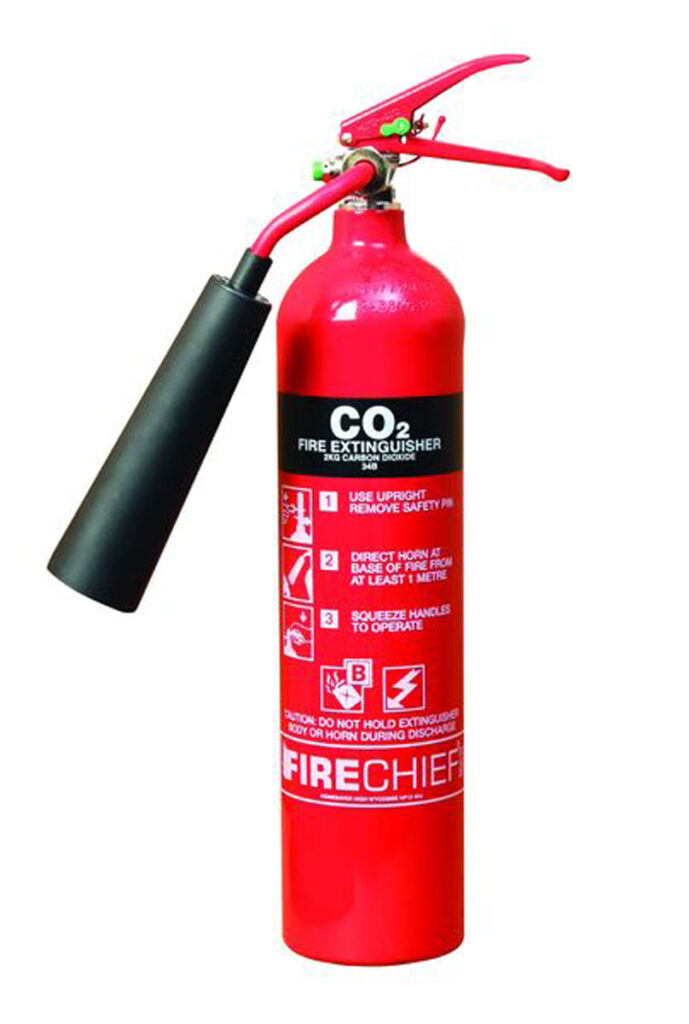
CO2 extinguishers are designed for Class B fires and suitable for flammable liquid fires.
View our Carbon Dioxide extinguishers here.
ABC Powder

ABC Powder extinguishers can be used on Class A, Class B, Class C and electrical fires. They are available in sizes 1kg-9kg and are ideal for application in environments containing mixed fire risks. It is important to note that there is risk of inhalation when using powder extinguishers and therefore not recommended in small rooms.
View our ABC powder extinguishers here.
Wet Chemical
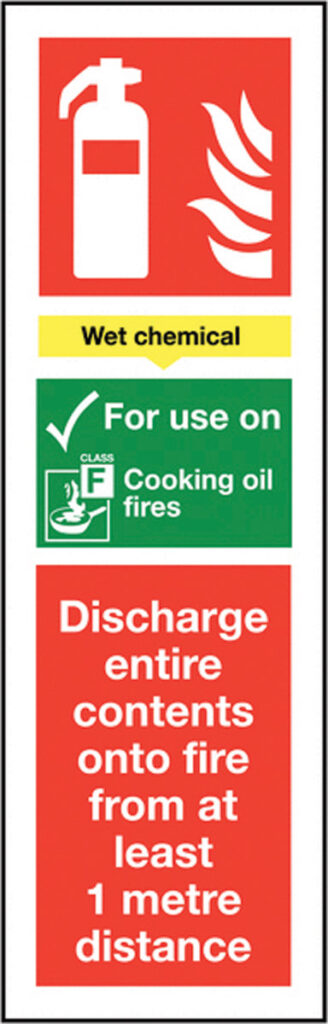
Wet chemical fire extinguishers are suitable for fighting fires involving combustible cooking media such as burning oil and fat. They have a Class F rating and usually an additional Class A rating.
For all of your fire safety needs, take a look at MoreSafe’s wide range of fire safety products, which range from fire extinguishers to fire alarms and everything in between. We also stock fire safety signs to show the location of fire fighting equipment and to help gather people to safe areas in an evacuation.
Written by Kate, for MorSafe Supplies.


Leave a Reply