

How to Protect Your Hearing at Work
Thousands of people are exposed to loud noise at work that might damage or make them lose their hearing. Industries most at risk include construction, demolition, woodworking, engineering, textile manufacture, music, forging and foundries — but this list is not extensive. If you’re exposed to loud, intrusive sound, you could be at risk. Hearing loss tends to be gradual, unless you suffer instant damage from very loud or explosive noises, but it is best to prevent it before it can begin. To protect your hearing at work,
- Work with your employer to identify and prevent hearing risks.
- Source and wear appropriate hearing protection.
- Look after and maintain your hearing protection.
- Report any problems to your employer or safety representative.
- Speak to your doctor or GP if you have concerns about your hearing.
1. Work With Your Employer
..to identify and prevent hearing risks. Keep in mind that your employer has a duty to protect you (and your hearing) in the workplace and should have taken the necessary steps to help protect your ears. If you feel there is a risk — or risks — that have not been dealt with, speak to them about it and ask them to take action.
Likewise, if you have been provided with the equipment and information to protect their hearing, make sure you follow what has been put in place. This could include using noise control devices and wearing hearing protection when required.
What Regulations Are There to Protect Your Hearing at Work?
The Control of Noise at Work Regulations 2005 are designed to protect your hearing at work by placing a duty on employers to reduce the risk to their employees health by controlling the noise they are exposed to whilst at work. According to the HSE, this requires an employer to:
- Asses the risks;
- Take action to reduce the noise exposure that produces those risks;
- Provide employees with hearing protection if you cannot reduce the noise exposure using other methods;
- Make sure the legal limits on noise exposure are not exceeded;
- Provide employees with information, instruction and training;
- Carry out health surveillance where there is a risk to health.
When Is Hearing Protection Mandatory?
According to the The Control of Noise at Work Regulations 2005, hearing protection is mandatory when the daily or weekly average exposure is 85 db(A) or a peak sound pressure of 135 dB(C). There is also an exposure limit value of 87 dB(A), taking account of any reduction in exposure provided by hearing protection, above which workers must not be exposed.
2. Wear Appropriate Hearing Protection
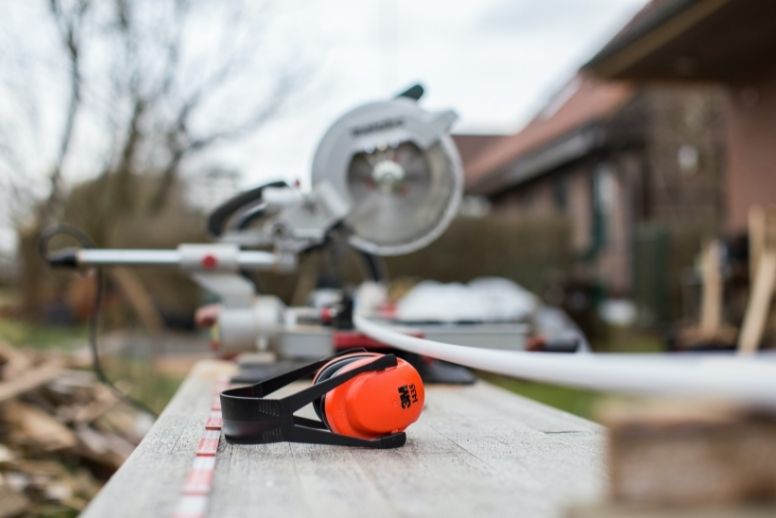
Appropriate hearing protection is essential for protecting your hearing at work. Whether you need high performance ear defenders or ear plugs, make sure you wear them when required. These should be made available to you – and there should be clear safety signs around your workplace to indicate when they are essential. These will likely look like this:

3. Look After and Maintain Your Hearing Protection
Part of wearing appropriate hearing protection is making sure it works well. Make sure your ear defenders, ear plugs and other preventative measures are performing at their best and replace them if you do not feel they are working well — or if they have sustained some wear and damage over time.
4. Report Problems to Your Employer or Safety Representative
Off the back of that, if you feel like you are not protected enough, or that the right measures are not in place, report it to your employer or safety representative.
5. Speak to Your Doctor or GP
As with most health concerns, if you’re worried about your hearing then it is best to speak to your doctor or GP.
–
At morSafe, we stock all of the supplies that you need to maintain good health and safety in your workplace, with free next day delivery available.





Leave a Reply